
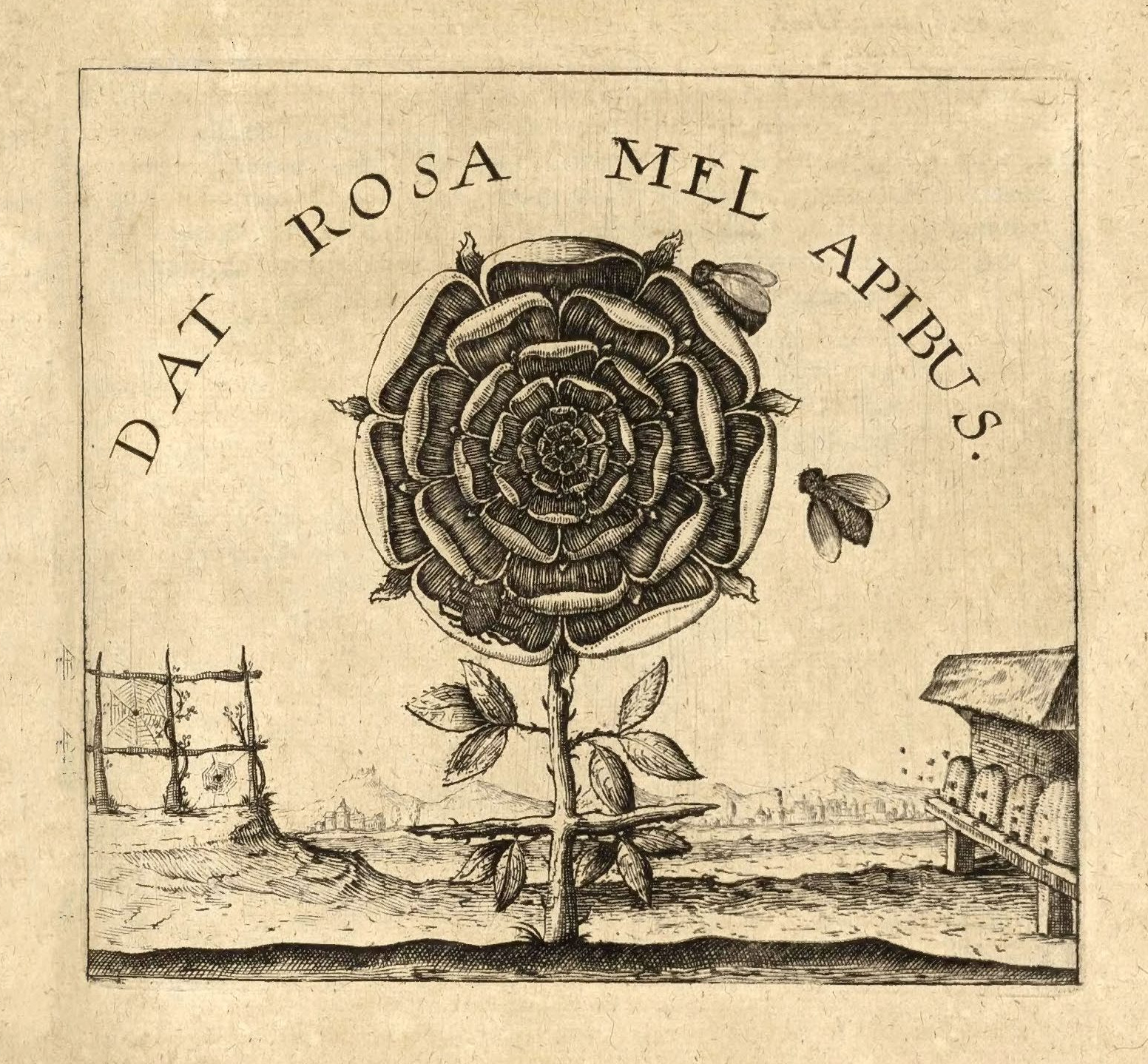
The emblem of the Rose Cross, rich in symbolism, encapsulates the core ideals and aspirations of this enigmatic tradition. However, this is but the surface of a deeper exploration into the origins, teachings, and enduring allure of the Rosicrucian Order and its enigmatic founder, CRC.
Said to have been founded in 1407 by the mysterious Father C.R.C and his eight disciples, and based upon universal, or perennial wisdom, collected from all the four corners of the earth, Rosicrucianism combined knowledge of Paracelsian medicine, religion, alchemy, apocalyptic imagery and symbolism, mathematics, geometry, and astronomy into one great syncretic system. Another major source of inspiration were Italian Renaissance thinkers like Giordano Bruno and Pico della Mirandola, who were reviving and reintroducing the West to the forgotten knowledge of classical antiquity that underpins much of the Western esoteric tradition, including Neoplatonism and hermeticism.
It was this knowledge that had also inspired great artists and thinkers like Leonardo da Vinci and Marsilio Ficino, who, under the patronage of Cosimo de Medici, had recovered and translated the Corpus Hermeticum from Arabic into Latin.
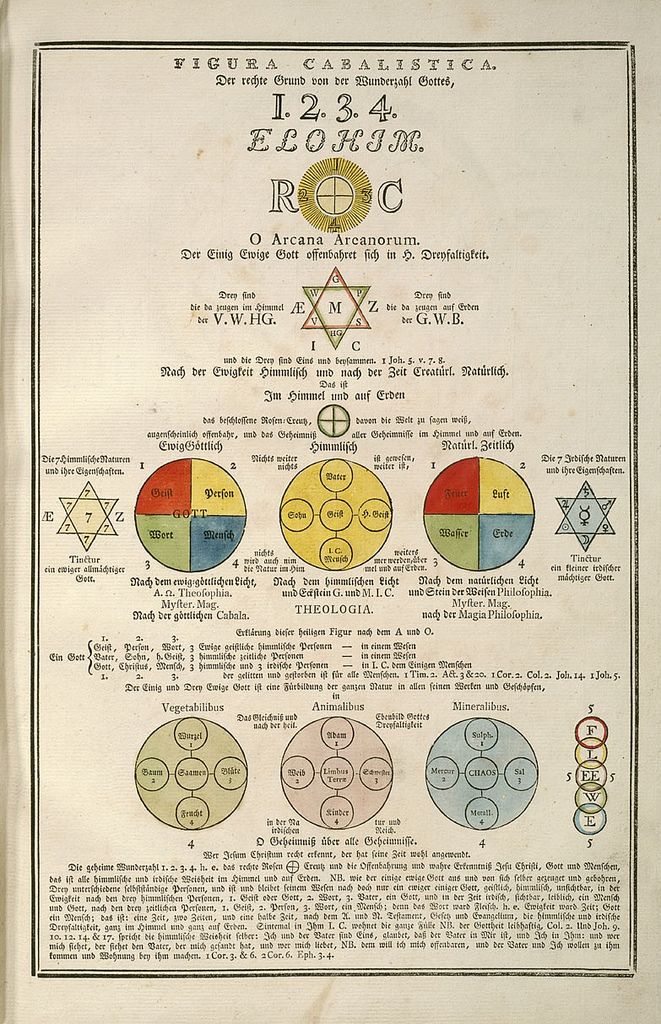
PERENNIAL WISDOM
According to legend, it was said to based in the primeval wisdom (prisca sapientia) granted by God to the first line of sage patriarchs: Adam, Enoch, Moses and Solomon – alchemy, astrology, Kabbalah and magic – all of which have their origins in the deserts of the Middle and Near East and underlie the so-called Western esoteric tradition.
Along with a healthy dose of Neoplatonism and Sufism, which scholars like Henry Corbin trace back to the Zoroastrianism of the Persians, the Rosicrucian ‘creed’ was steeped in a form of gnostic Christianity that did not require the mediation of any church, and was free from the religious sectarianism that had rent the Christian world apart during the medieval period, leading to wars, persecution and eventually, protestantism.
This form of Christianity was much more inclusive, embracing universal principles like forgiveness, charitable service and brotherly love of one’s neighbour. It it had more in common with what Paracelsus had termed the theophrastia sancta – the original religion that had been practised in secret by groups like the gnostics who had kept it hidden from the Church fathers because of its explosive contents.
However, this made it dangerously heretical because it threatened not only the power of Rome but also the religious sanction given to kings to rule – a right supposedly bestowed by God himself. So, there was a political aspect to the whole project too, as evidenced by the title of one of the booklets included in the first edition of the FAMA – a text by Boccalini which called for a “general reformation of the whole world.”
 Trail of the Green Man