
The 17 Variations
The wood block carving, once a mere curiosity, now becomes a gateway to deeper understanding.
In the labyrinth of historical archives and dusty tomes, a peculiar discovery sparked a quest that would take us deep into the heart of Renaissance wood block printing — the elusive Greenman.
Our journey began with a chance encounter, as the grotesque figure, blending nature and the fantastical, revealed itself in various important publications of the era. The first inklings of the Greenman’s importance emerged as more and more publications that held some relevance in my quest came to light. As we combed through pages adorned with intricate carvings, the unmistakable visage of the Greenman caught our attention. A figure so rich in symbolism and mystique, it seemed to transcend its decorative role, hinting at a deeper connection to the esoteric traditions of the time.
Our pursuit gained momentum as we noticed the Greenman gracing the pages of publications that held significance in the intellectual landscape of the Renaissance. From alchemical treatises to philosophical dissertations, the Greenman appeared as a subtle yet recurring motif, weaving its way through the fabric of knowledge. Each appearance hinted at a deliberate inclusion, a visual code waiting to be deciphered.
To methodically document our findings and create a roadmap for further exploration, we embarked on the creation of a comprehensive spreadsheet. Each entry detailed the publication, the context of the Greenman’s presence, and any accompanying symbols or textual references.
This digital repository became the cornerstone of our quest, a dynamic catalogue that evolved with each new discovery. Recognizing the vastness of our undertaking, we reached out to scholars, historians, and enthusiasts who shared our passion for unlocking the mysteries of Renaissance wood block prints.
Collaborative efforts proved invaluable as contributors from diverse backgrounds brought fresh perspectives, enhancing the depth of our exploration. The network expanded, creating a community dedicated to peeling back the layers of history.
The trail of the Greenman led us into the digital realm, where vast archives and repositories held hidden treasures waiting to be unearthed. Rare manuscripts, previously accessible only to a select few, now became part of our digital expedition. Scouring online collections, we uncovered Greenman wood block prints in unexpected places, from botanical illustrations to alchemical grimoires.
RELATED RESOURCES:
- Printer’s Marks and Ornaments
- Master Craftsmen: The printing profession
- Printers as Propagandists
- Green Man spreadsheet
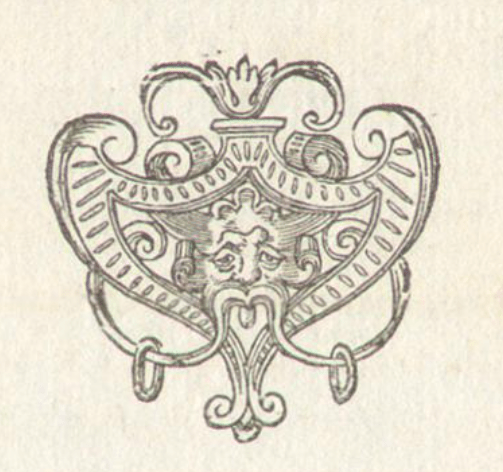
Block A
First discovered in the work of Supplementum Linguae Latinae in the year 1573, published in Geneva. Find out more about Block A and the secret AA signature found within this publication in this video.
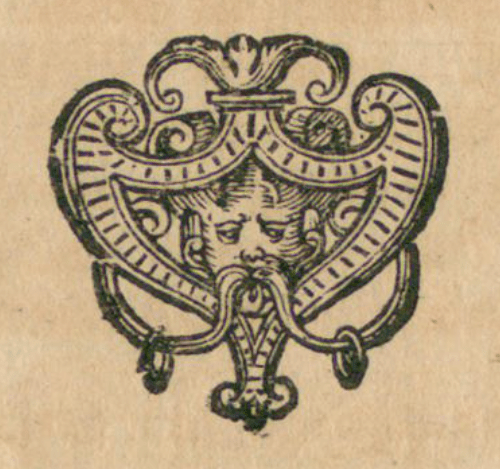
Block B
First discovered in the work of Fama fraternitatis, oder, Entdeckung der Brüderschafft des löblichen Ordens dess Rosen Creutzes in the year 1615, published in Danzig.
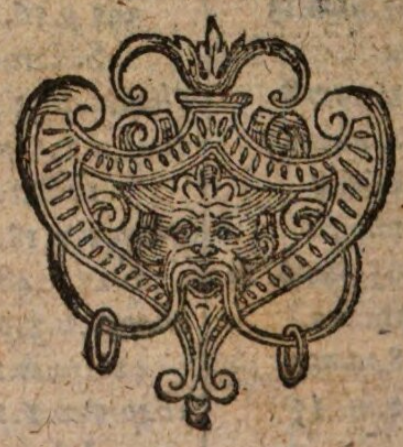
Block C
First discovered in the work of The grounde of artes teaching the perfect vvorke and practise of arithmetike in the year 1582, published in London.
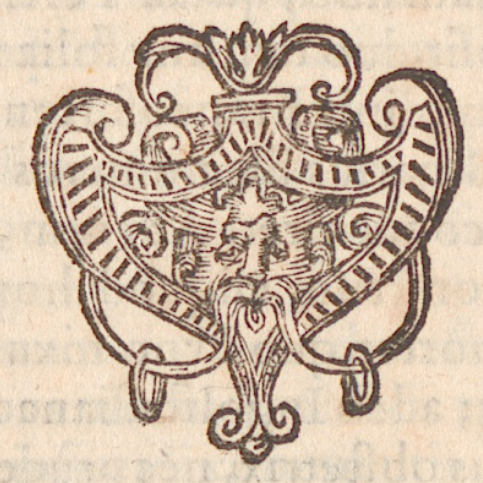
Block D
First discovered in the work of De vera peccatorum remissione, adversus humanas satisfactiones et commentitium Ecclesiae Romanae purgatoriumin the year 1583, published in Bern.
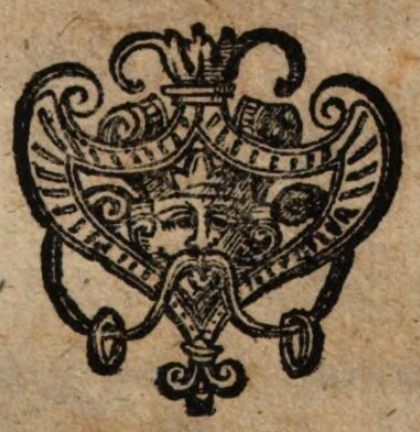
Block E
First discovered in the work of Calvinischer Vortantz, Welcher in Ober Oesterreich geschmittet in the year 1621, published in Geneva.
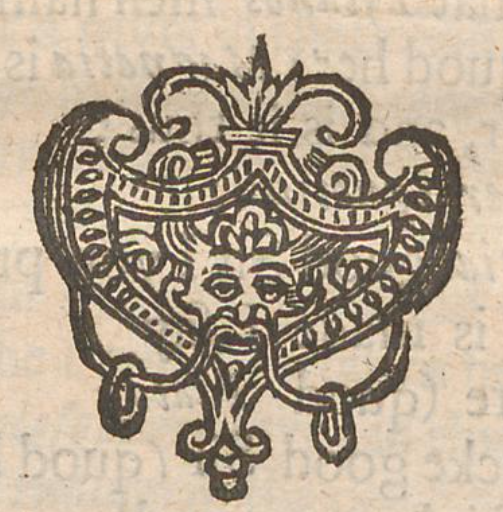
Block F
First discovered in the work of Theatrum chemicum Britannicum in the year 1652, published in London.
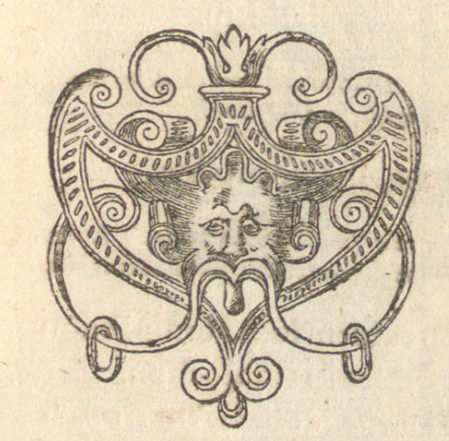
Block G
First discovered in the work of Jacobi Auberti Vindonis De metallorum in the year 1575, published in Geneva.
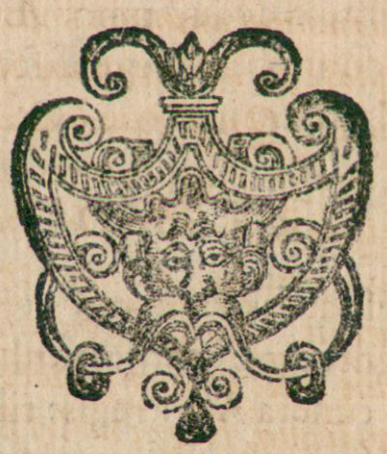
Block H
First discovered in the work of De lapide philosophorum tractatus duodecim in the year 1604, published in Frankfurt.
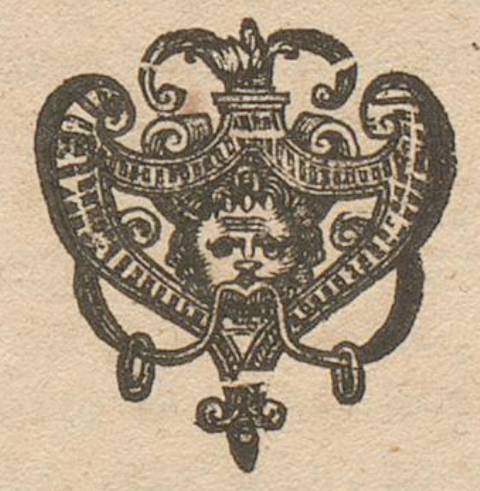
Block I
First discovered in the work of Tabvlae Directionvm Novae : Vniversae penè Europae in the year 1599, published in Nurnberg.
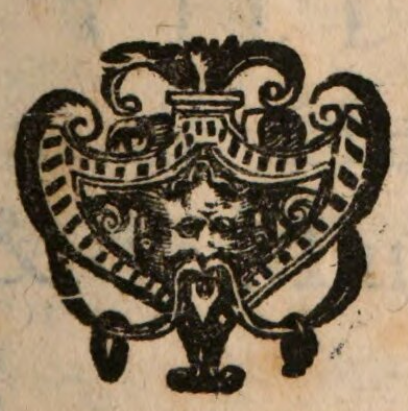
Block J
First discovered in the work of Discours politiques et militaires in the year 1587, published in Basel.
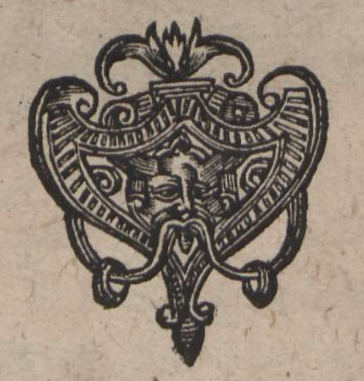
Block K
First discovered in the work of Idventum Illustris Simi Principis in the year 1593, published in Konigsburg.
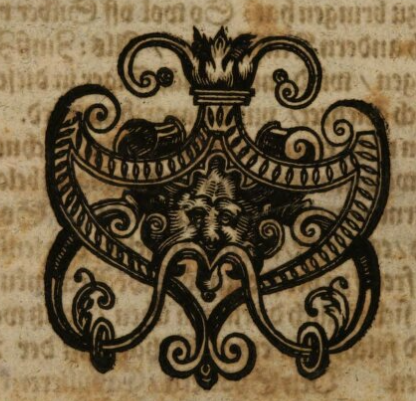
Block L
First discovered in the work of Alter und newer Schreibcalender mit dem Stand in the year 1604, published in Nurnberg.
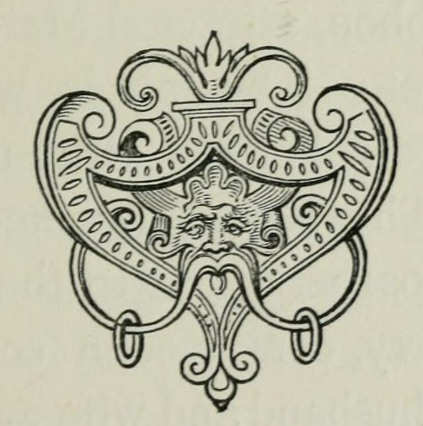
Block M
First discovered in the work of The new Magdalen : a novel in the year 1873, published in London.

Block N
First discovered in the work of The English illustrated magazine in the year 1887, published in London.
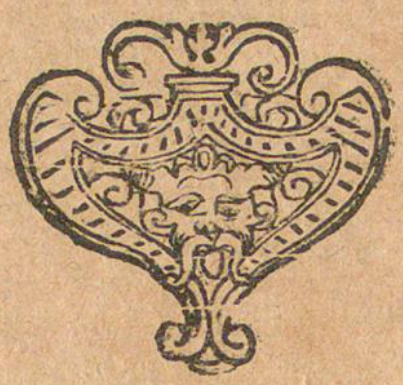
Block O
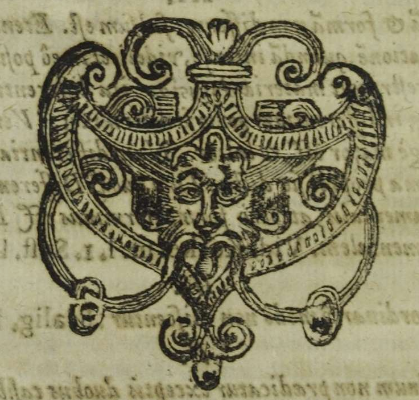
First discovered in the work of M.T. Ciceronis Epistolarum volumen, earum, quae familiares olim dictae, in the year 1701, published in Konigsburg.
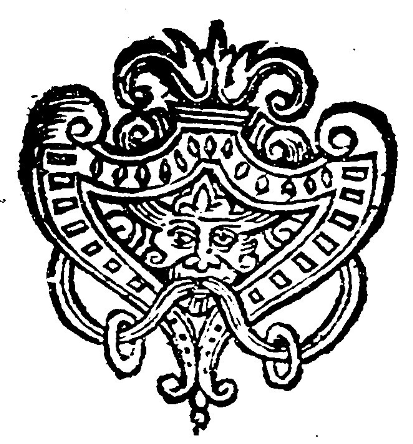
Block P
First discovered in the work of
I pray you be not angry: for I will make you merry in the year 1650, published in London.
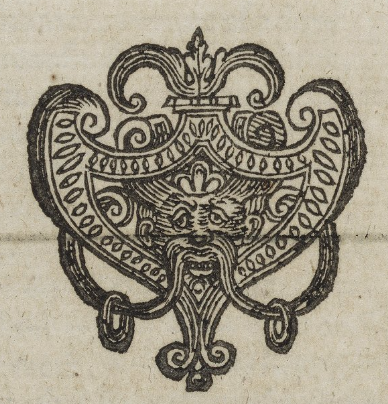
Block Q
First discovered in the work of The blessed birth-day : celebrated in some religious meditations on the angels anthem in the year 1636, published in London.
 Trail of the Green Man