
THE CAST OF CHARACTERS
From clerics to bards, scientists to maguses & statesmen to spooks…
This is a story that spans centuries, continents and touches the lives of a host of colourful, often illustrious but sometimes notorious personalities who come from a range of cultures, backgrounds and disciplines, and span several generations.
Below you can find links to the profiles of some of the main characters who feature in this story. May these luminaries lead you deeper into the mysteries guarded by the Green Man…
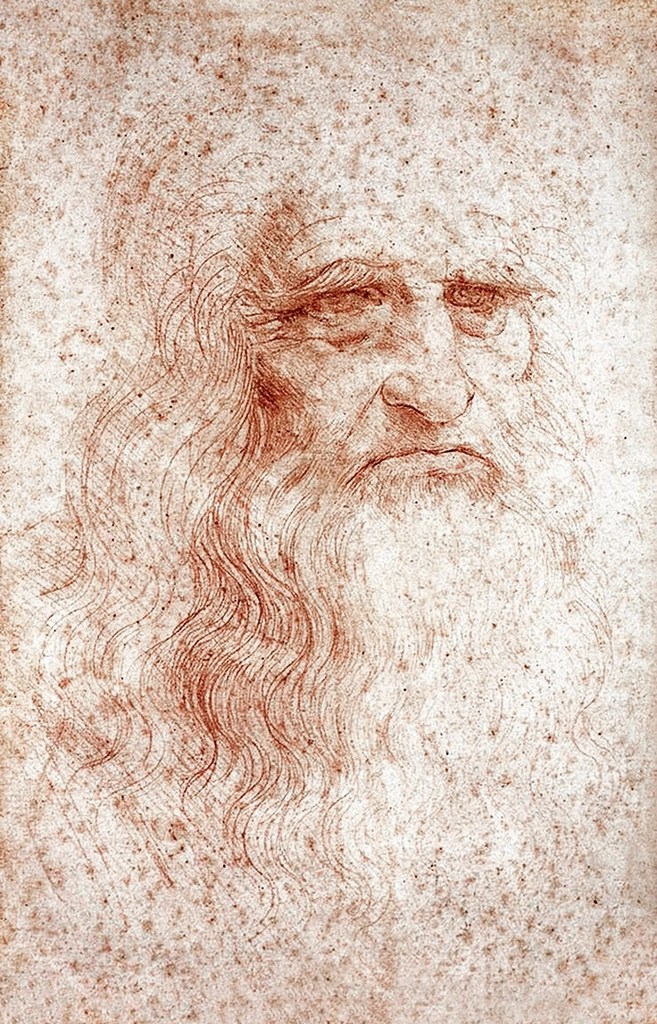
Leonardo da Vinci (1452-1519)
Italian artist, engineer, inventor, and anatomist – all round rebel and Renaissance Man. Creator of the Mona Lisa and the Last Supper. READ MORE…
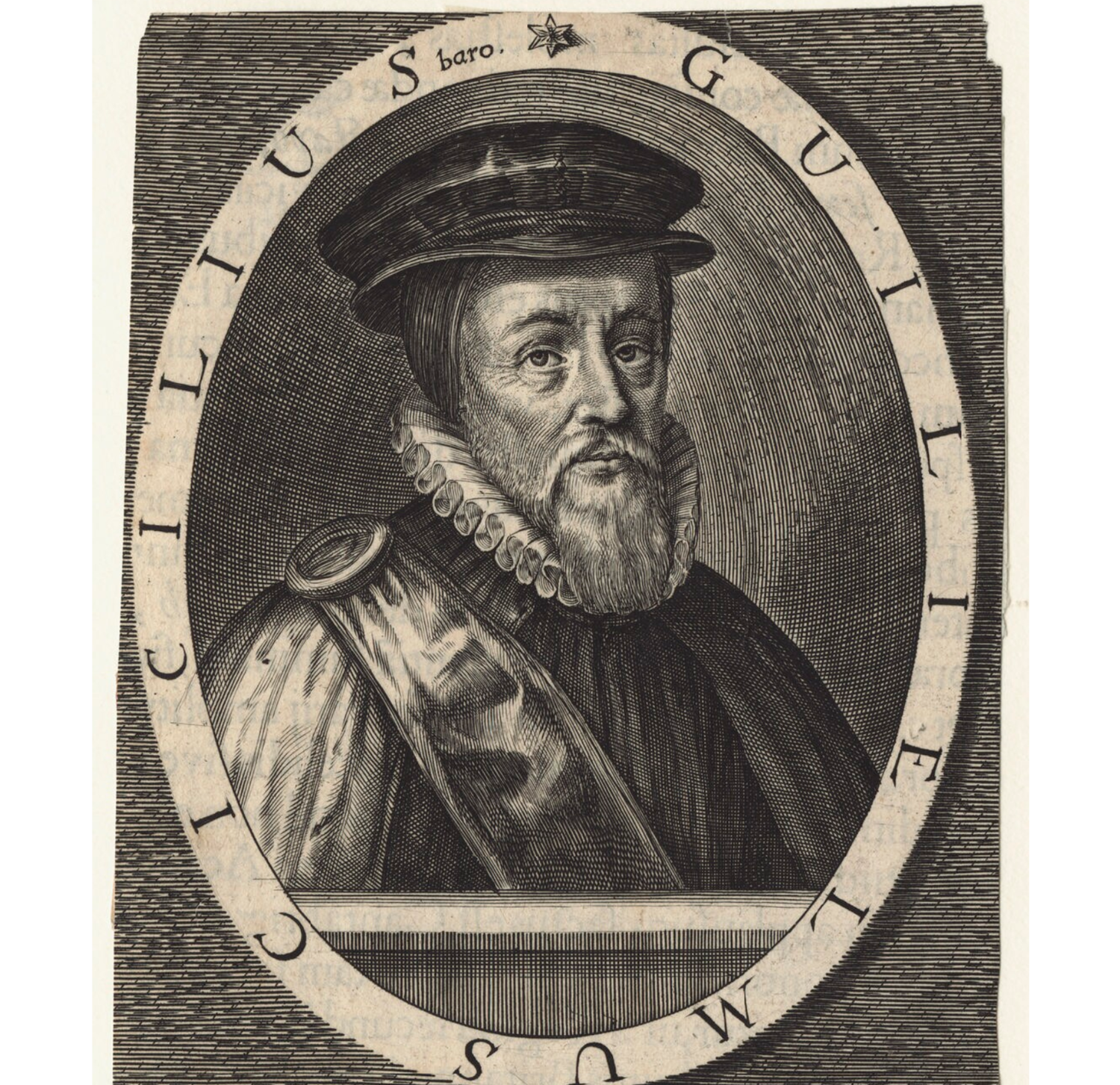
Sir William Cecil (1520-1598)
1st Baron Burghley. English diplomat, politician, spymaster and chief adviser to Queen Elizabeth I.
READ MORE…

John Dee (1527-1608)
English polymath, navigator, magus, spy and advisor to Queen Elizabeth I. Alchemist, astrologer and ‘inventor’ of the Enochian Language.
READ MORE…
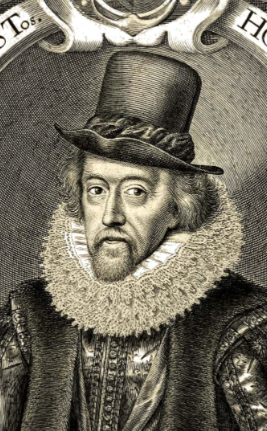
Sir Francis Bacon (1561-1626)
Philosopher, statesman, lawyer, lover of ciphers, patron of libraries, father of empiricism and the scientific
method. Utopian idealist and the author of the New Atlantis, which is believed to be the inspiration for the founding of the Royal Society.
READ MORE…
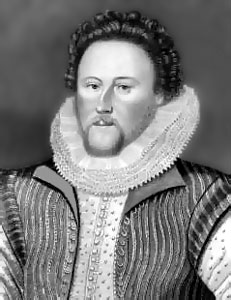
Sir Henry Neville (1562 -1615)
English courtier, politician and diplomat. He is noted for his role as ambassador to France and for being imprisoned as part of the Essex Plot to oust Queen Elizabeth. In 2005, Neville was put forward as an alternative candidate for the authorship of Shakespeare’s works.
READ MORE…
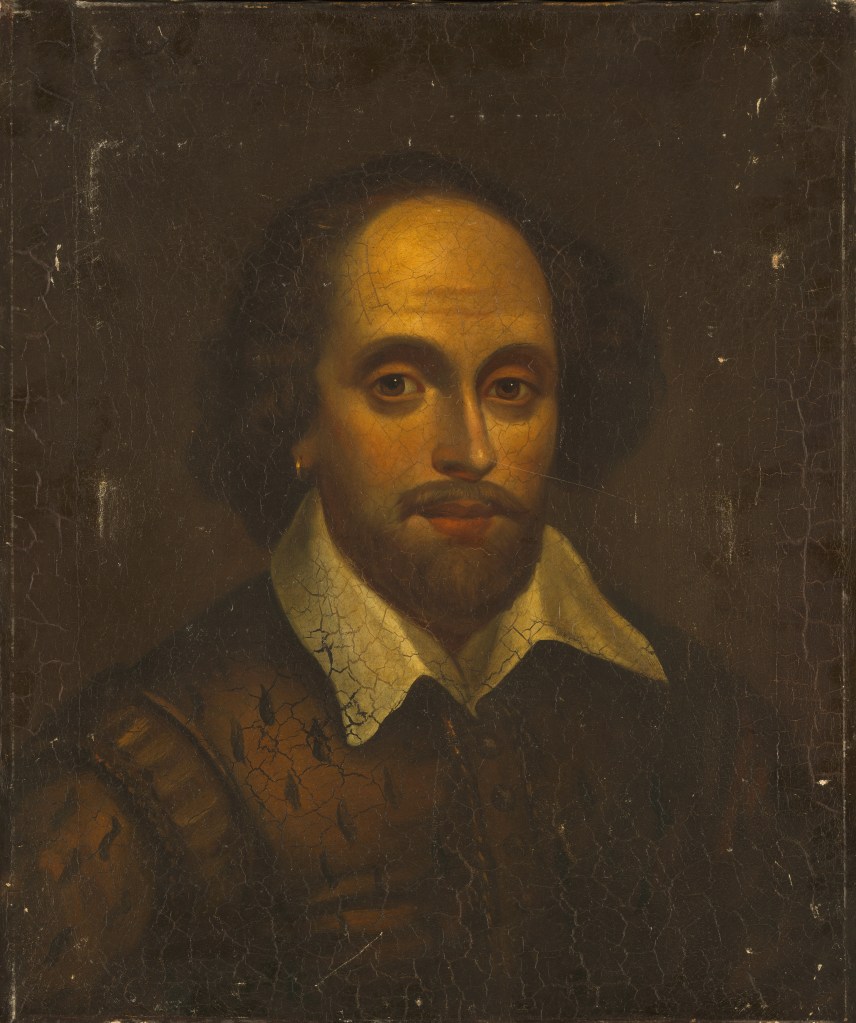
William Shakespeare (1564-1616)
Aka The Bard, English playwright, poet and cultural ‘influencer.’ Often described as the greatest writer of all time, a man whose work is characterised by evocative dialogue, canny insights and archetypal themes about the human condition, and even arcane knowledge.
READ MORE…
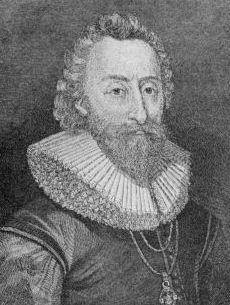
William Alexander (1567-1640)
1st Earl of Stirling, Scottish courtier, statesman, and poet who founded and colonised the region of Nova Scotia in Canada. Alexander is known to have used books as propaganda tools, helping him to further his colonial ambitions.

Robert Fludd (1574-1637)
Prominent English Member of Parliament and Paracelsian physician with both scientific and occult interests. He is remembered as an astrologer, mathematician, cosmologist, kabbalist, and defender of Rosicrucianism. His drawing of the rosie cross has become synonymous with the fraternity.
READ MORE…

Ben Jonson (1572-1637)
English playwright, literary critic and lyrical poet. A controversial figure during his lifetime, he played a key role in the post-humous publication of the collected works of Shakespeare that became known as the First Folio, writing the preface known as ‘To the Reader’ to the 1623 edition.
READ MORE…

Johannes Valentinus Andreae (1586-1654)
German theologian, writer and member of the Protestant Utopian movement. A seminal figure within the early history of Rosicrucianism, many believe he is the pseudonymous author of the three famous manifestos that sparked it off – the Fama Fraternitatis (1614), the Confessio (1615), and the Chymical Wedding of Christian Rosencreutz (1616).
READ MORE…
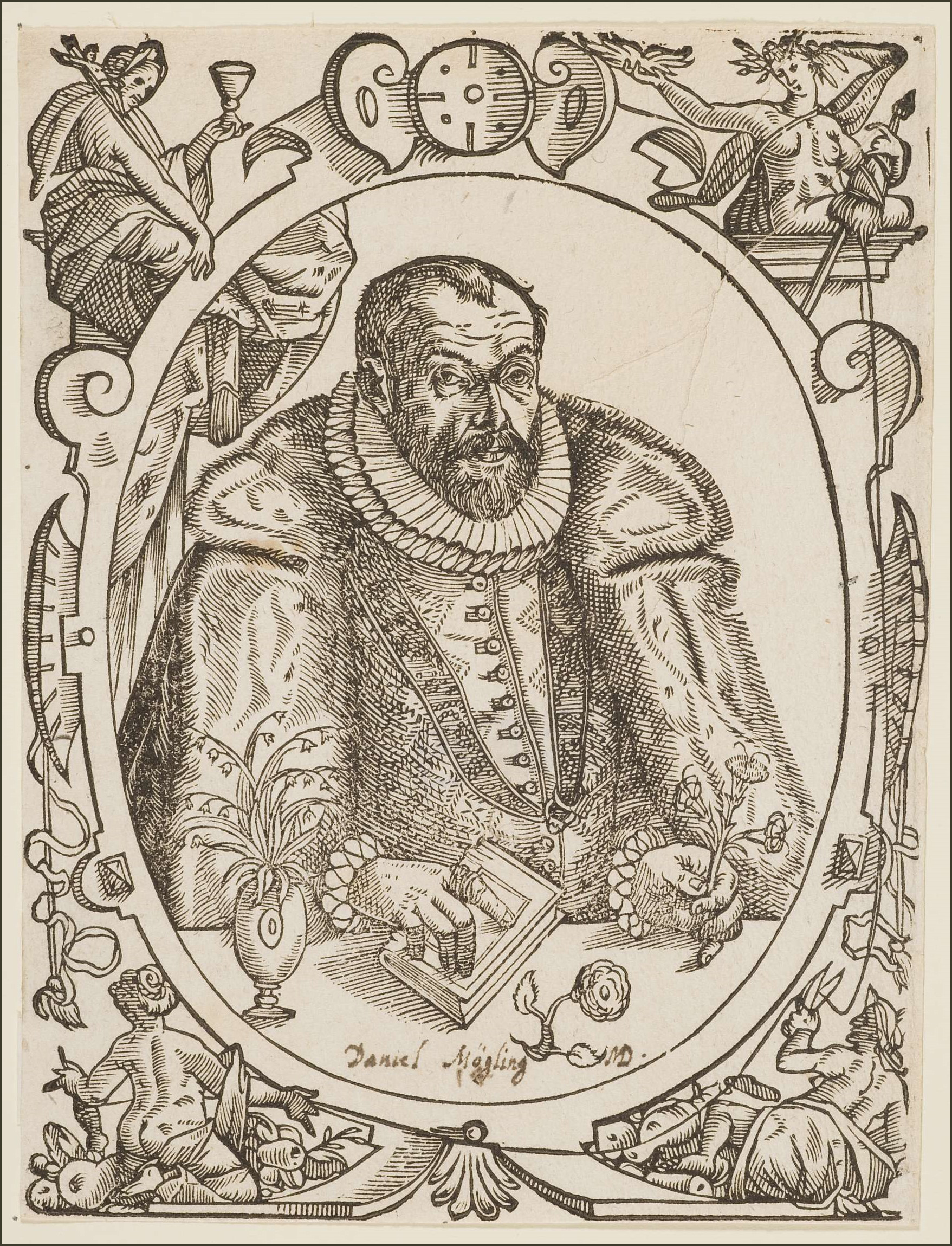
Daniel Mögling (1596-1635)
German alchemist and a notable figure within the early history of the Rosicrucian movement. Author of seminal works such as Speculum Sophicum Rhodostauroticum (Mirror of the Wisdom of the Rosy Cross, 1618) and Pandora Sextae Aetatis (1617). The starting point for the trail of the Green Man.

Elias Ashmole (1617-1692)
English soldier, Civil War spy, freemason and alchemist, Ashmole was an intellectual and collector of philosophical and magical treatises, as well as an aspirant Rosicrucian. An antiquary with a strong Baconian leaning towards the study of nature, Ashmole was also a founding member of the Royal society. Truthseeker and aspirant Rosicrucian.
 Trail of the Green Man