
Much like the invention of the internet, the invention of the mechanised printing press in the 1450’s marked another turning point in the evolution of technology, as well as culture. In some ways, you could say that it helped to accelerate the Renaissance, helping to spread ideas and democratise knowledge by making books more accessible to ordinary people, both in terms of physical availability and cost. This lead to a rapid increase in literacy rates and a more educated public. Before this, books tended to be the preserve of the wealthy, or else confined to universities and monasteries.
Not only did this help to cement vernacular languages like English as the lingua franca, rather than scholarly languages like Latin, but it also enabled visionaries and leaders of movements to more easily reach and attract followers. Books thus became an important medium through which to shape and
influence society.
Some ideas, however, were considered subversive – even heretical, especially if they challenged established traditions or institutions like the Church. It was for this reason that we find many individuals and groups like the Rosicrucians choosing to hide their ideas in code form within their books using techniques and ciphers that only their fellow initiates or sympathisers would know how to decode.
HIDDEN MESSAGES & SECRET CIPHERs
Enter the world of cryptography—ciphers, coded hieroglyphics and gematria; and steganography—the art of concealing messages within other seemingly innocuous communications.
Lilly’s Hieroglyphics
WILLIAM LILY, the famous English Renaissance astrologer, admitted in his writings that, after being accused of heresy by the Church of England, and of starting the Great Fire of London, which he predicted in one of his famous pamphlets, by the authorities, he began to use coded messages in his works to avoid persecution.
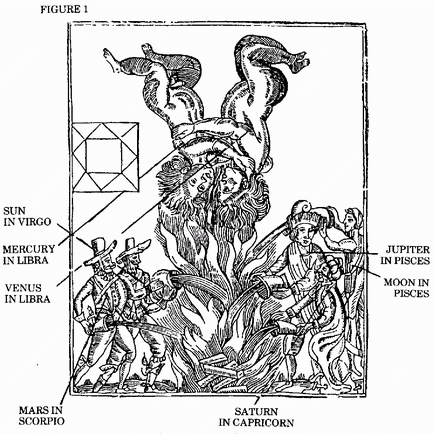
In ENGLAND’S PROPHETICALL MERLIN he writes:
How many things would I more deliver, were not my tongue silenced. They were happy that left their judgment to posterity, and concealed them during their lives, they had by this meanes liberty to speake whole truths, we but by peacemeale and fragments, and yet in some danger for that. It is my comfort some will finde my key (sparsim & divisim* ). Rex is not always a King, nor homo a man, words have severall explications….
Let us pray for peace.
London, April 17th, 1644.
SECRET SIGILLI
Lilly certainly wasn’t the only adept or group to hide messages using codes and ciphers of various types in their work.
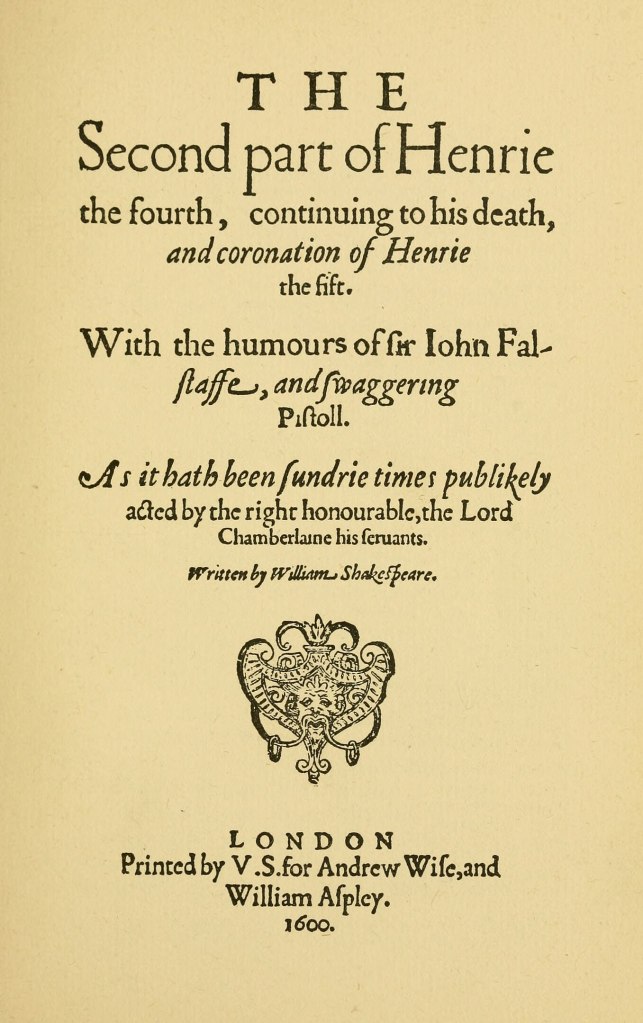
According to a mysterious book with a green cover, published in Nottingham in 1916 by a pseudonymous author calling himself Fratres Roseae Crucis, certain secreti sigilli, including author and printer’s marks and signs, were concealed within the pages of printed books, especially during the Renaissance period.
In the preface to this book, whose whole aim is to decode some of the Rosicrucian ‘signs’ and sigils hidden within the works of Bacon and Shakespeare, he writes:
“The practice of identification of documents by an individual seal or mark, whether open or private, dates back to the earliest days of civilization.
Present-day manufacturers have their marks and numbers, bankers their secret flaws and marks of identification whereby to assure their banknotes and cheques and defeat extensive forgery.
In the early stages of printing it was natural that writers of works printed anonymously should contrive methods of type arrangement by which, if thought worthwhile, their authorship could be identified and proved.
They would assume that when doubts arose their books would be searched for sigilli secreti as the first and most natural effort of investigation.
Strange though it be, there is no evidence of any such examination having taken place.
Yet, for instance, the Shakespeare Folio and Quarto plays, and Shakespeare’s Sonnets, are sealed with the Great Seal in many places, though mostly at the beginnings and ends.”
SECRET SHAKESPEAREAN SEALS: REVELATIONS
OF ROSICRUCIAN ARCANA
 Trail of the Green Man